
Do Cellular Shades Really Save Energy? A Homeowner’s Guide to Better Window Insulation
Heating and cooling a home can feel like a constant battle with the weather. In summer, sunlight heats rooms through the windows. In winter, the same windows can become one of the places where indoor warmth escapes fastest.
That is why many homeowners searching for more comfortable rooms eventually ask the same question:
Do cellular shades really help with insulation and energy efficiency?
The short answer is yes—but how well they work depends on the shade construction, fabric, fit, window type, and how you use them.
In this guide, we’ll explain how cellular shades work, when they can make the biggest difference, and how to choose the right style for your home.
Why Windows Affect Indoor Temperature
Windows connect your home to natural light and outdoor views, but they can also be a weak point in your home’s thermal envelope.
During hot weather, solar energy entering through a window can raise indoor temperatures and make air conditioning work harder. During colder months, heat from inside the home can transfer toward colder window surfaces.
The U.S. Department of Energy notes that window attachments, including well-fitted cellular shades, can provide a relatively affordable way to improve the energy performance of existing windows.
How Do Cellular Shades Work?
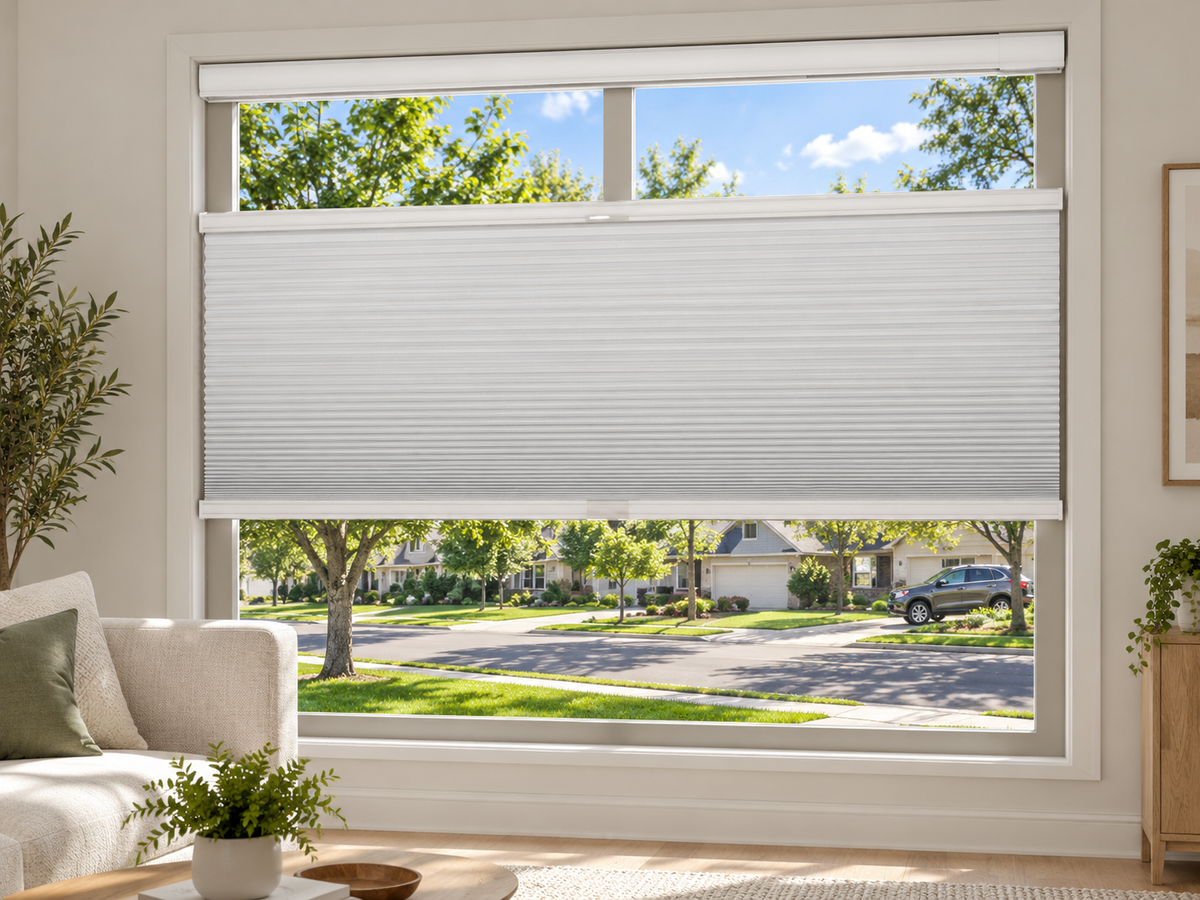
Cellular shades are also called honeycomb shades because of the shape created when the fabric is viewed from the side.
Unlike a simple flat sheet of fabric, cellular shades contain pockets of air.
These pockets help create a barrier between the window and the room.
Imagine wearing a thin shirt on a cold day versus wearing a lightweight insulated jacket. The jacket does not generate heat—it helps slow the movement of heat by trapping air.
Cellular shades work on a similar basic principle.
https://changshades.com/collections/cellular-shades

Do Cellular Shades Keep Heat Out in Summer?
They can help.
When strong sunlight reaches a window, part of that solar energy passes through the glass and warms surfaces inside the room.
Closing cellular shades during the hottest, sunniest parts of the day creates another layer between the window and your interior space.
This can be especially useful for windows that receive strong afternoon sun.
For example, west-facing windows often receive intense sunlight later in the day. Closing cellular shades before the room becomes hot can be more effective than waiting until the temperature has already risen.
For homeowners in warm climates, this means cellular shades are not simply a privacy product. They can become part of a broader strategy for managing indoor comfort.
That strategy may include:
· closing shades before peak afternoon sun;
· choosing blackout or room-darkening fabrics for rooms where stronger light control is needed;
· selecting a shade that fits the window opening correctly;
· combining window shades with efficient HVAC use and other home improvements.
The goal is not to promise a specific temperature reduction in every house. Window size, direction, glass type, climate and installation all affect actual results.

What About Winter? Do Cellular Shades Help Keep a Room Warmer?
The same honeycomb structure can also be useful during colder weather.
When the outdoor temperature drops, the glass surface of a window can become much colder than the room. A properly fitted cellular shade creates an additional air layer between the cold window and your living space.
For this reason, cellular shades are particularly attractive to homeowners who want one window treatment they can use throughout the year rather than a seasonal solution.
During winter, closing shades at night can help separate your living space from colder window surfaces.
During the day, you may want to open shades on sunny windows to take advantage of natural sunlight, then close them again as outdoor temperatures fall.
In other words, how you operate the shade matters almost as much as the shade itself.
Does Blackout Fabric Improve Insulation?
Blackout and insulation are related, but they are not exactly the same thing.
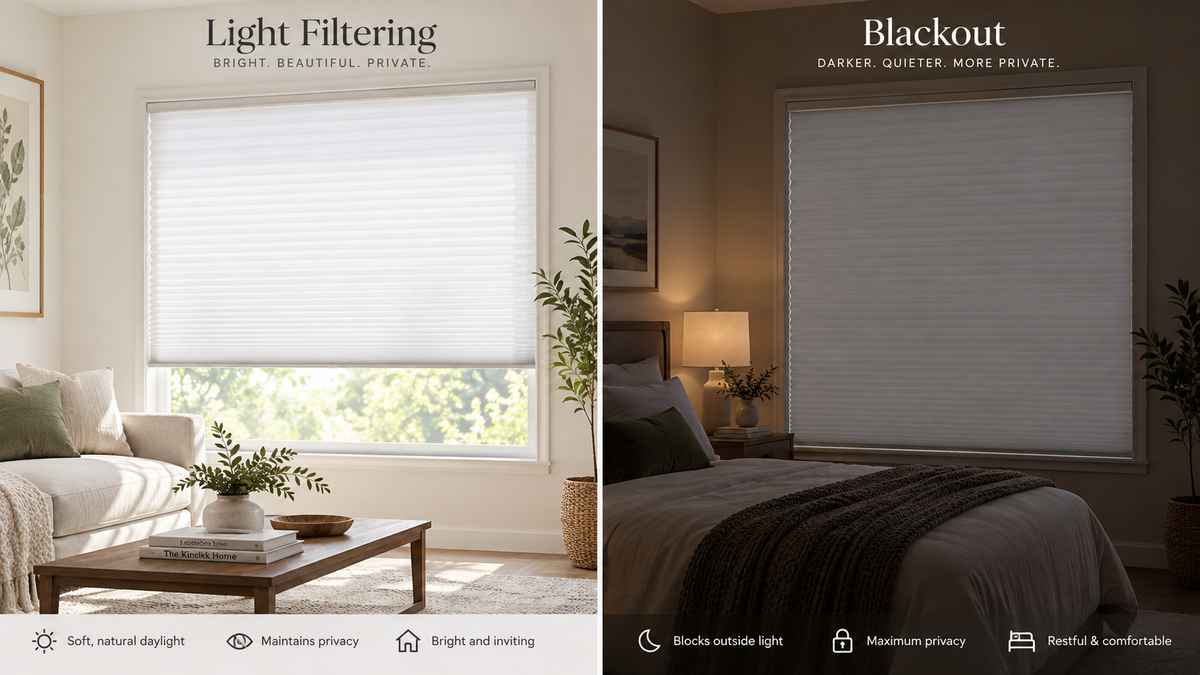
A blackout cellular shade is primarily designed to significantly reduce the light passing through the shade fabric.
A light-filtering cellular shade allows soft daylight through while still using the honeycomb construction.
Both styles can benefit from cellular air pockets, but they serve different priorities.
If your main goal is a darker bedroom, nursery or media room, blackout cellular shades usually make more sense.
If your main goal is maintaining soft natural light in a living room or home office, a light-filtering version may be more suitable.
 https://changshades.com/collections/cellular-shades
Are Cellular Shades Worth It?
For many homes, cellular shades offer a useful combination of features in one window treatment:
they manage daylight, provide privacy, create an additional insulating layer at the window, offer blackout or light-filtering options, and are available in cordless and no-drill configurations.
They are especially worth considering if you have rooms that become noticeably warmer near sunny windows in summer or colder near windows in winter.
They can also be a practical upgrade if you want to improve comfort without immediately replacing the windows themselves.
The key is choosing the right shade rather than simply choosing any cellular shade.
Think about your priorities first:
Do you need darkness or natural light?
Is insulation your main concern?
Do you need daytime privacy?
Are you able to drill into the window frame?
Is the window suitable for an inside mount?
Once those questions are answered, it becomes much easier to choose the correct configuration.

How to Get the Best Performance From Cellular Shades
Buying the right shade is only the first step.
For better everyday performance, use your shades according to changing sunlight and weather.
On hot summer days, close shades on windows receiving strong direct sunlight before the room becomes excessively warm.
During colder months, open shades when useful sunlight is available and close them as temperatures fall.
Make sure the shade fits the window correctly and operates smoothly.
And when comparing products, look beyond color alone. Fabric opacity, cellular structure, mounting method and window compatibility can all influence how satisfied you are after installation.
A well-chosen shade should not simply look good on day one. It should make the room easier and more comfortable to use every day.